Si alguna vez has tenido una ecografía en la mano e intentado distinguir los rasgos de tu bebé, sabes lo difícil que es. La imagen granulada te deja intuir algo — una nariz aquí, una frente allá — pero nada parecido a lo que verás el día que nazca. Hoy la tecnología de imagen puede cerrar esa brecha. Pero hay un detalle que la mayoría de los padres no conoce antes de probar: no todas las herramientas tratan bien una ecografía.
La respuesta corta: sí, si el proceso está pensado para ecografías
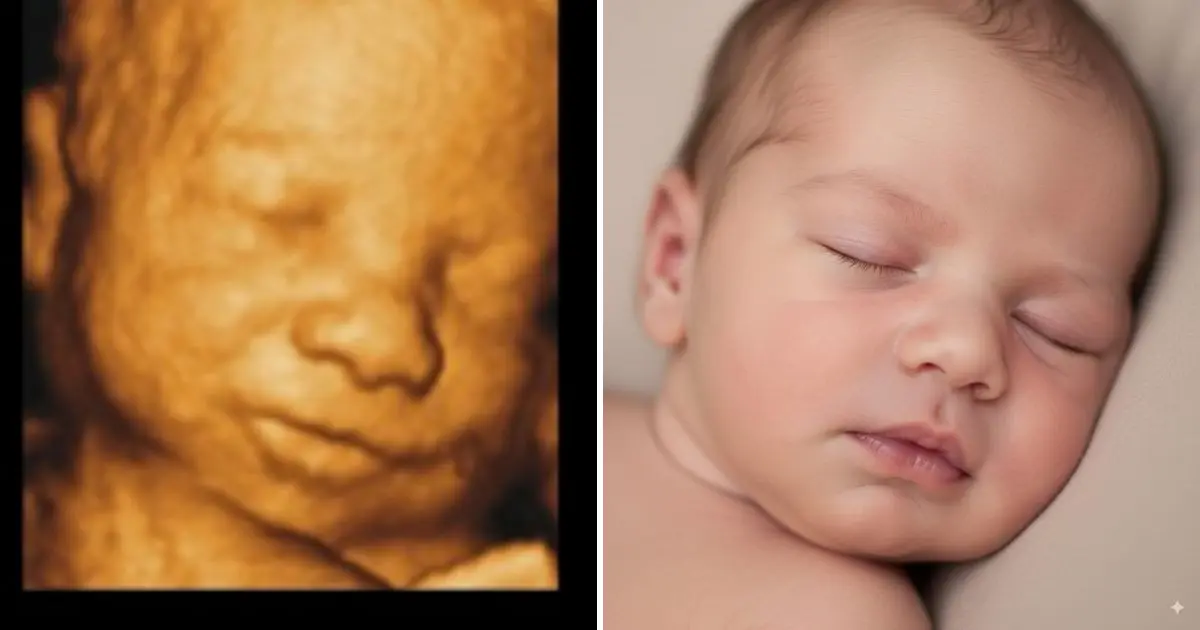
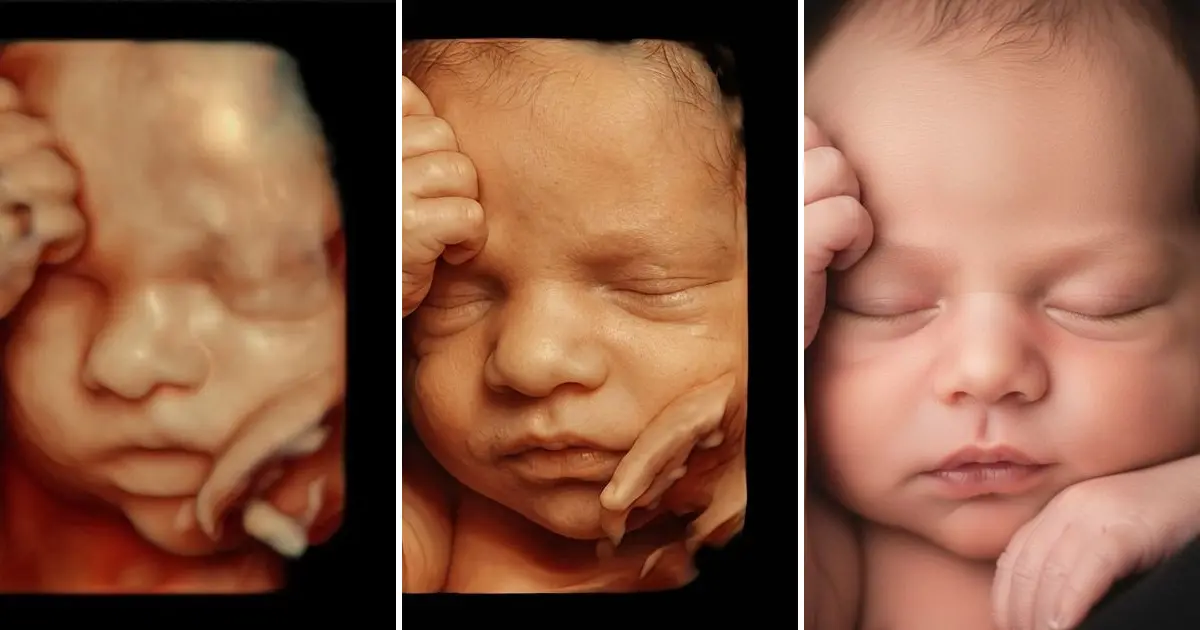
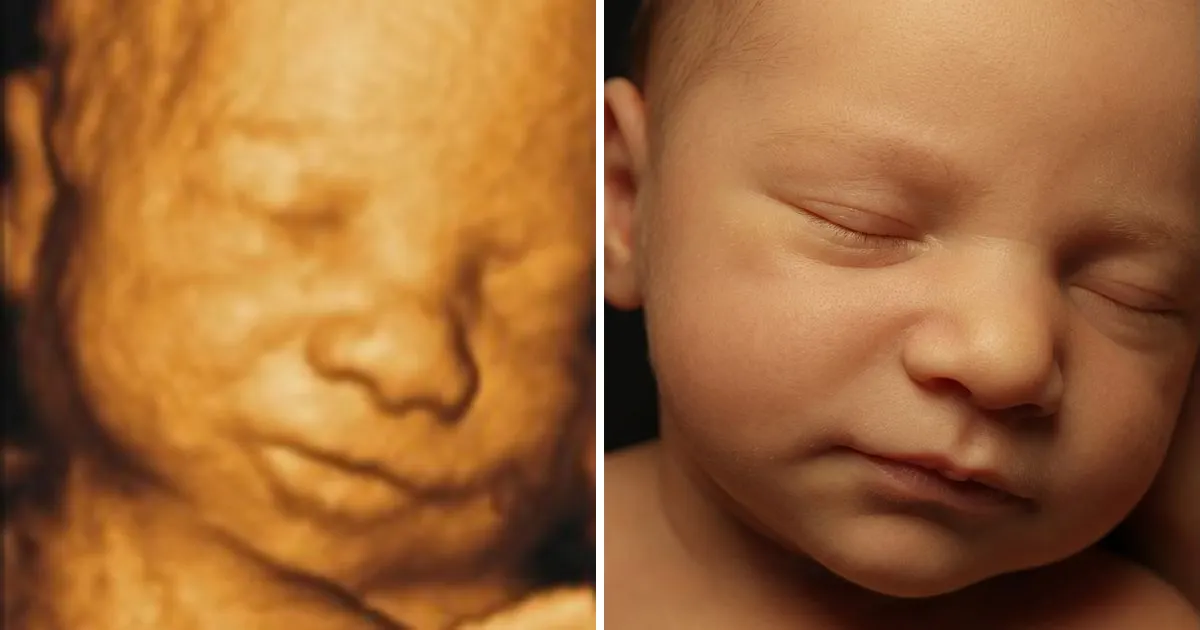
La IA puede generar un retrato fotorrealista de tu bebé a partir de una ecografía. La tecnología existe y funciona. La clave es que una ecografía es una imagen muy particular, y para que el resultado sea fiel hace falta un proceso diseñado para ella: que reconozca la cara entre el ruido de la ecografía y respete la postura y las proporciones del bebé en lugar de inventarse otro bebé.
Ve la cara de tu bebé en un retrato realista
Sube la ecografía que ya tienes y comprueba la diferencia en unos 30 segundos.
Revelar la cara de mi bebé →Por qué una ecografía no es como una foto normal
Las ecografías se crean con ondas de sonido de alta frecuencia que rebotan en los tejidos, no con luz. El resultado está lleno de artefactos acústicos, sombras y ecos que el ojo humano aprende a interpretar con práctica. Para convertir eso en un retrato, el proceso tiene que:
- Identificar las estructuras faciales entre el ruido y el grano de la ecografía
- Distinguir la frente, el puente nasal, los labios y el mentón de los artefactos acústicos
- Mantener la posición exacta de la cara, las manos y el cordón que se ven en la ecografía
- Dar a esa superficie una textura de piel realista, iluminación y detalle
Es un problema muy distinto a “generar una foto de bebé bonita”, y por eso los resultados cambian tanto de una herramienta a otra.
¿Qué pasa si lo intentas con ChatGPT u otra IA genérica?
Puedes subir una ecografía a un chatbot genérico y pedirle una foto. Los problemas habituales son:
- Cambia al bebé. La postura, la forma de la nariz o la posición de las manos no suelen coincidir con la ecografía.
- Se inventa detalles donde la ecografía está borrosa, así que el resultado parece “un bebé”, no el tuyo.
- Imágenes pequeñas y límites: baja resolución, límites de uso y varios intentos hasta conseguir algo aprovechable.
Un servicio dedicado como BabyFaceReveal comprueba primero que tu imagen es una ecografía real, aplica instrucciones pensadas para respetar la postura y las proporciones de tu ecografía y entrega el resultado en alta resolución, listo para descargar e imprimir.
Qué tipo de ecografía da el mejor resultado
Ecografías 3D, 4D y 5D: la mejor calidad
Las ecografías volumétricas (3D, 4D y 5D) capturan directamente la superficie de la cara del bebé: la forma exacta de la nariz, la redondez de las mejillas, la curva de los labios. Las 5D en particular ya tienen un aspecto casi fotográfico, así que son el mejor punto de partida. Si quieres saber más, lee nuestra guía sobre qué es la ecografía 5D.
La mejor ventana: semanas 26–32
Antes de la semana 26, los rasgos faciales pueden no estar del todo formados. Después de la semana 32, la cabeza del bebé suele encajarse en la pelvis y cuesta más captar la cara. Las semanas 26–32 son el momento óptimo: los rasgos están definidos y todavía hay suficiente líquido amniótico para una imagen clara. Lo explicamos semana a semana en en qué semana hacer la ecografía 3D.
Consejos para obtener el mejor resultado
- Elige la imagen más clara que tengas. Si tienes varias, escoge la que muestre la cara con más detalle.
- Recorta las etiquetas de medición y el texto impreso. Quitar las anotaciones ayuda a que el proceso se centre en la cara.
- La vista frontal o ligeramente girada funciona mejor. Los perfiles puros aportan menos detalle.
- Una foto de la ecografía impresa sirve. Evita reflejos y hazla de frente, con buena luz.
- ¿Te salió borrosa? Aun así se puede aprovechar: mira qué hacer cuando la ecografía 3D no muestra la cara.
Lo que refleja el resultado
El resultado es un retrato fotorrealista generado a partir de las estructuras faciales que se ven en tu ecografía: la forma de la nariz, las proporciones de la cara y la postura tal como aparecen. No es una predicción genética ni una mezcla de los rasgos de los padres.
Muchos padres encuentran el resultado sorprendentemente parecido a lo que ven al nacer, sobre todo en la nariz y la frente. Piensa en él como una vista previa realista basada en tu propia ecografía.
“La nariz es exactamente igual que en la ecografía. Mi marido lloró cuando vio el resultado.”
— Laura M., 27 semanas
“Ver una foto real de mi bebé antes de nacer fue uno de los momentos más emocionantes de mi embarazo.”
— Sofía R., 30 semanas
Por qué un servicio especializado es la herramienta adecuada
La diferencia entre una herramienta dedicada y una genérica no es un detalle menor: la genérica produce una foto decorativa de un bebé; un proceso pensado para ecografías produce un retrato basado en la tuya.
BabyFaceReveal está hecho justo para esto: trabaja con la ecografía que ya tienes, respeta la postura de tu bebé y entrega un retrato realista o una mejora 8K hiperrealista de la ecografía en unos 30 segundos, desde 5,90 €. Si estás comparando opciones, mira nuestra comparativa de servicios de ecografía 8K.