Elective 3D/4D ultrasound studios live on two things: the session itself and everything parents take home afterwards. Add-ons are where a studio can grow revenue without fighting for more bookings, but not every add-on is a good idea. This guide covers the add-ons parents actually buy, how to price them and why the best ones today are those that don’t add a single minute of scan time.
Start with the FDA’s position
Any conversation about add-ons in an elective studio has to start here. In a December 2014 consumer update, the FDA said it strongly discourages using ultrasound only to create keepsake images and videos, and that scans should be done when there is a medical need, by appropriately trained operators. The agency also acknowledged there is no evidence of harm, and that fetal imaging can help parents bond with the baby. The American Institute of Ultrasound in Medicine (AIUM) likewise recognizes that many parents seek 3D scans for bonding and encourages them to check that whoever scans them has formal training in fetal imaging.
The practical takeaway for a studio is simple: grow revenue with add-ons made from the images you already captured, not with longer or repeated sessions.
The add-ons parents buy
| Add-on | What it is | Adds scan time? |
|---|---|---|
| Heartbeat keepsake | A plush animal with the baby’s recorded heartbeat | A short recording during the visit |
| Extra prints and frames | More photos printed, framed or on canvas | No |
| USB drive or digital download | All photos and the session video | No |
| Gender reveal extras | A sealed card, envelope or reveal video for the party | Only if it requires a separate scan |
| Rescan guarantee | A second visit if the baby doesn’t show their face | Yes, it’s a second session |
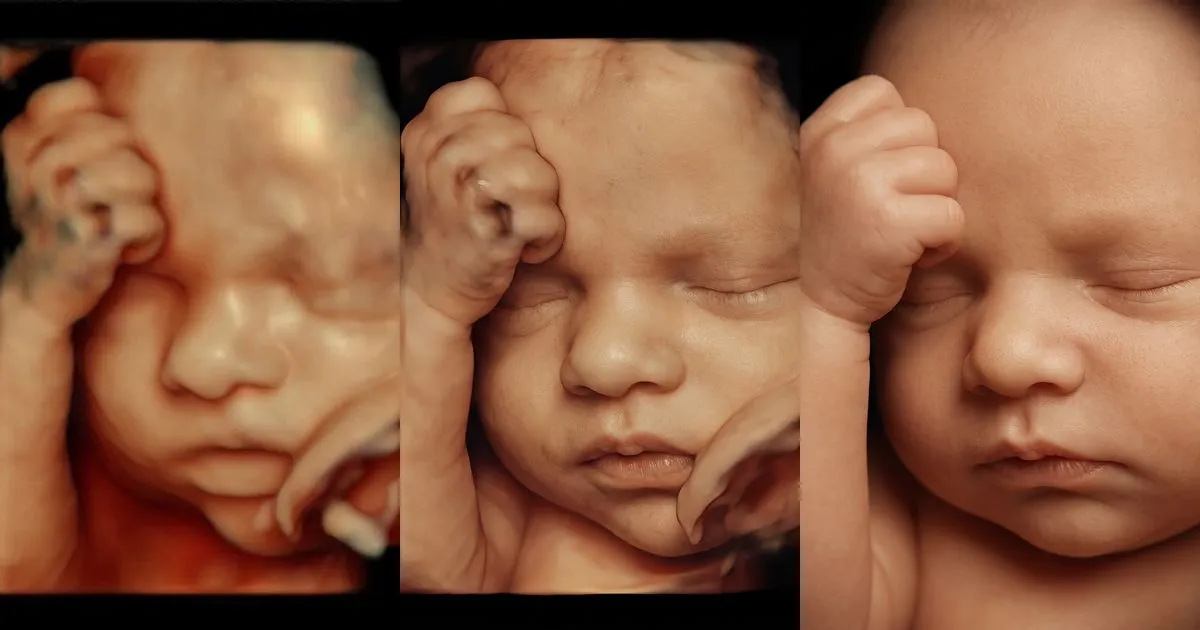
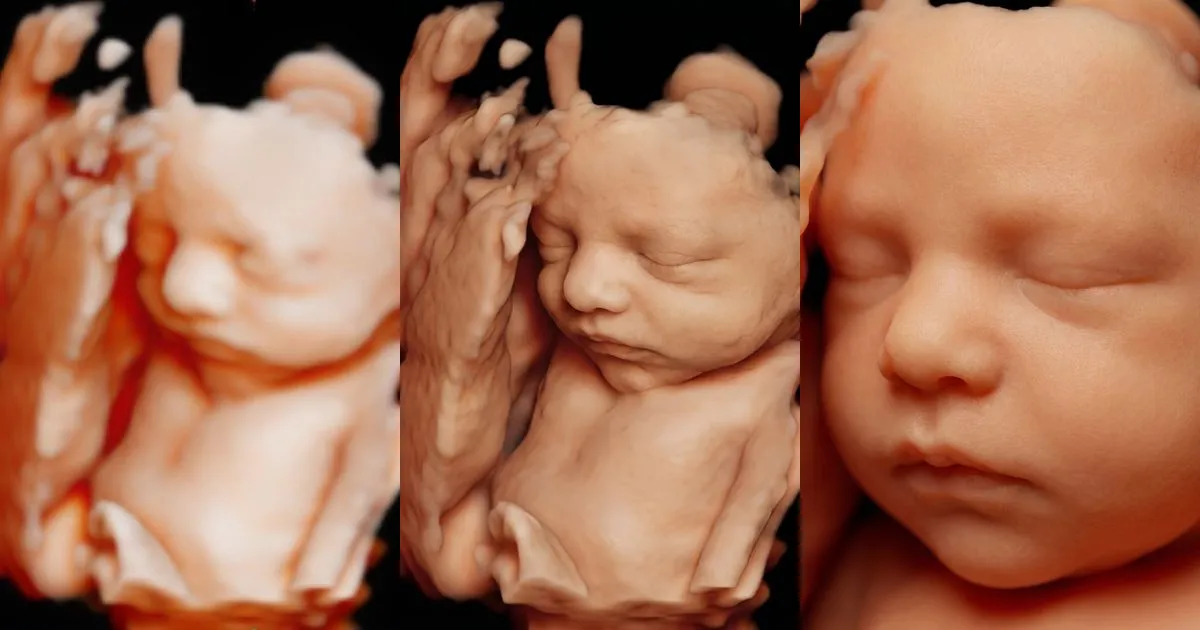
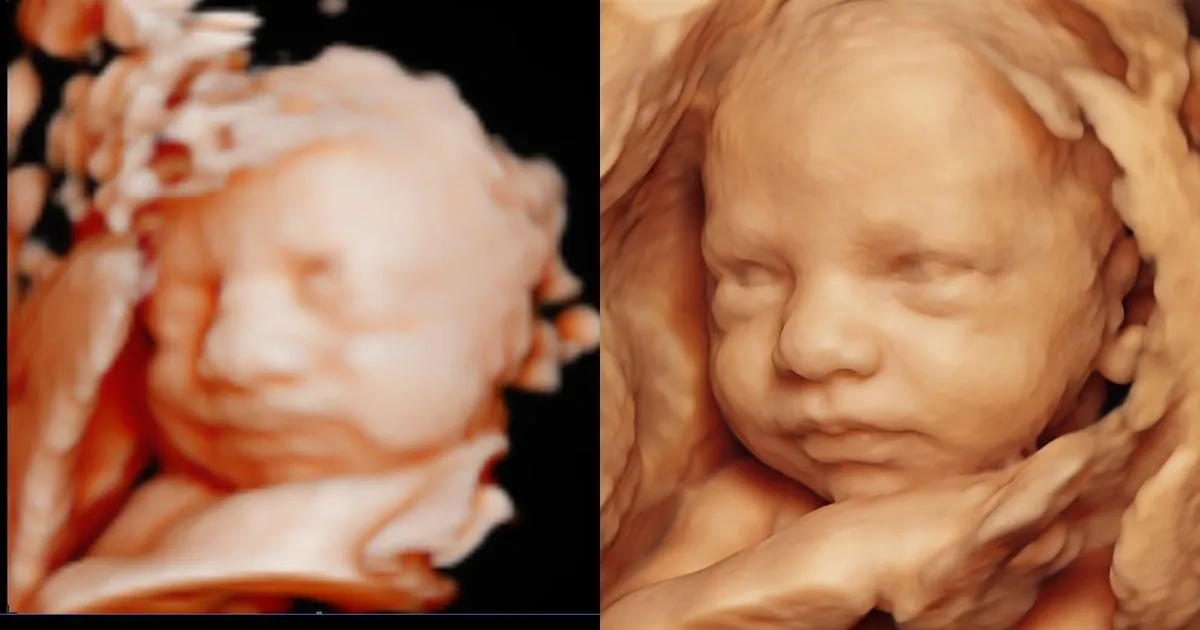
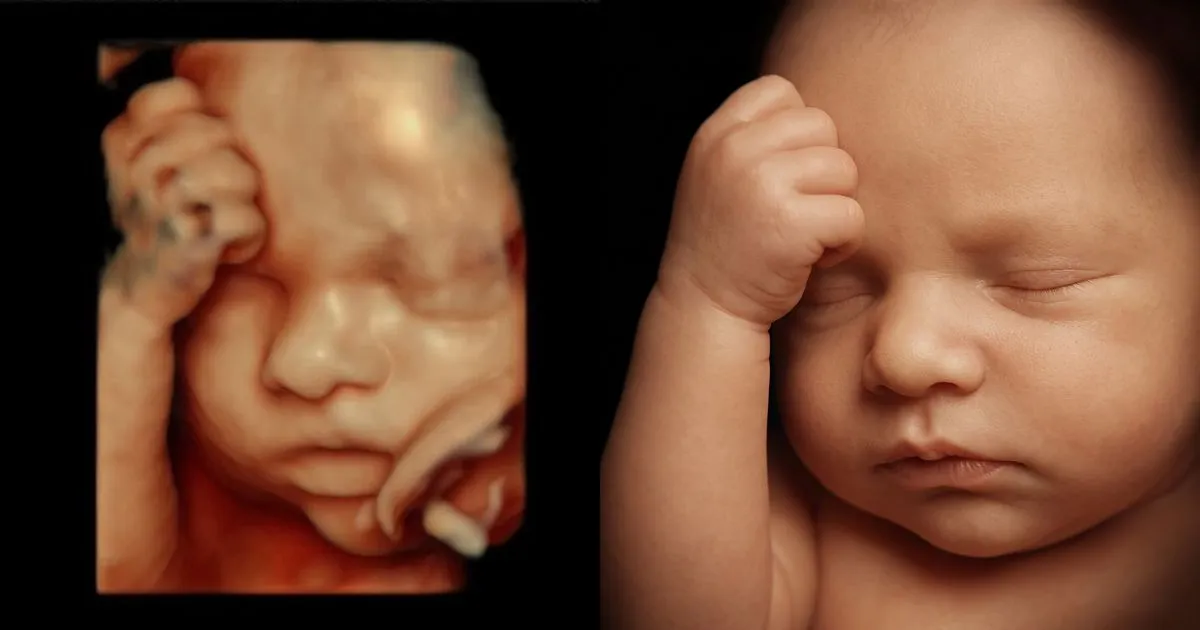
| 8K or hyperrealistic portrait | A lifelike portrait created from the best 3D image | No |
Many studios already work this way. MacroBaby in Orlando, for instance, lists an 8K Realistic View, heartbeat keepsakes and extra printed pictures as add-ons to its 4D packages, as its blog explained in July 2026.
How to price add-ons
- Start from your cost. Know exactly what each add-on costs you: the plush and recording, the print, the drive, the portrait.
- Keep add-ons small next to the session. An add-on that costs a fraction of the session is decided on the spot; one that nearly doubles the bill gets postponed, and usually forgotten.
- Bundle the winners. Once you see which add-ons sell, fold the most popular ones into your middle package and make it the obvious choice.
For a hyperrealistic portrait, the numbers are easy to check: through the BabyFaceReveal clinic portal it costs $4.40 to $5.49 per use, with two versions per use. Selling it for $20 to $35 keeps it an easy yes for parents and still leaves a healthy margin. We run the full math in how to offer hyperrealistic baby portraits at your clinic.
An add-on with zero extra scan time
Turn the best image of each session into two hyperrealistic portraits in under a minute, from your browser. Free sign-up with 2 trial uses.
Request a free trial →When and how to offer them
- At booking: show your packages with real examples and highlight the one you recommend.
- Right after the scan: this is when add-ons sell. Parents have just seen their baby; showing a portrait or a print preview on the screen does the selling for you.
- With delivery: include a short, time-limited offer for prints or a portrait in the message with the images.
Delivery is part of the experience too. A same-day download link with every image tends to earn more recommendations than a USB drive handed over a week later; see how to deliver 3D and 4D ultrasound images to parents.
Sources
- FDA — December 2014 consumer update “Avoid Fetal ‘Keepsake’ Images, Heartbeat Monitors”, summarized by Fierce Healthcare
- AIUM — official statement on keepsake fetal imaging
- MacroBaby — How much does a 4D ultrasound cost? (July 16, 2026)