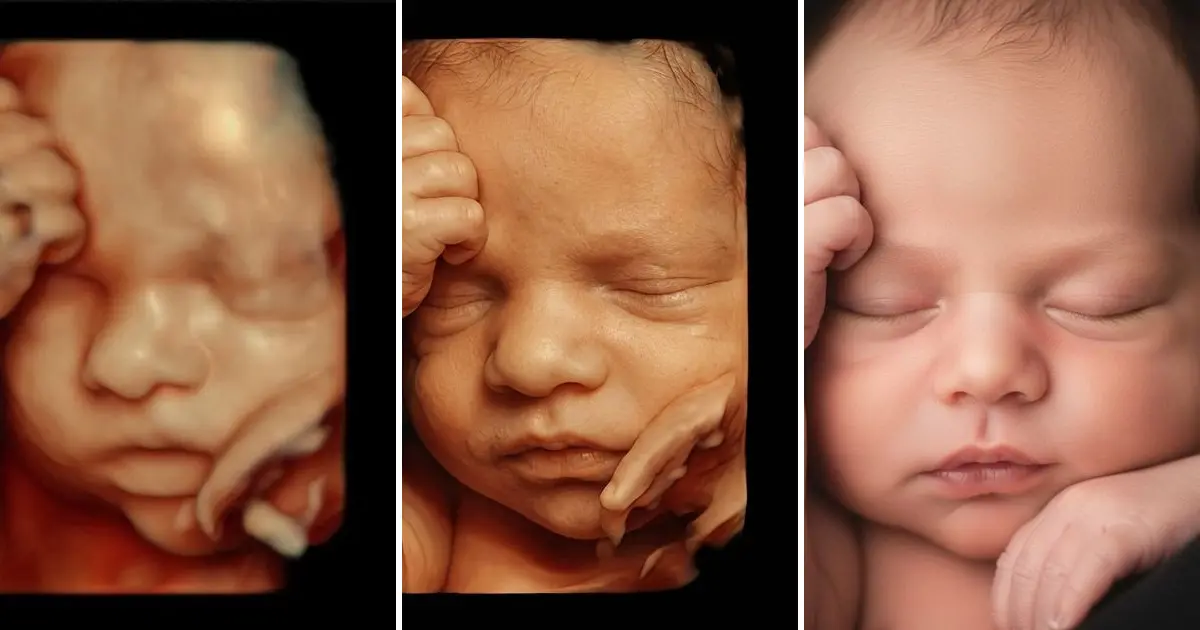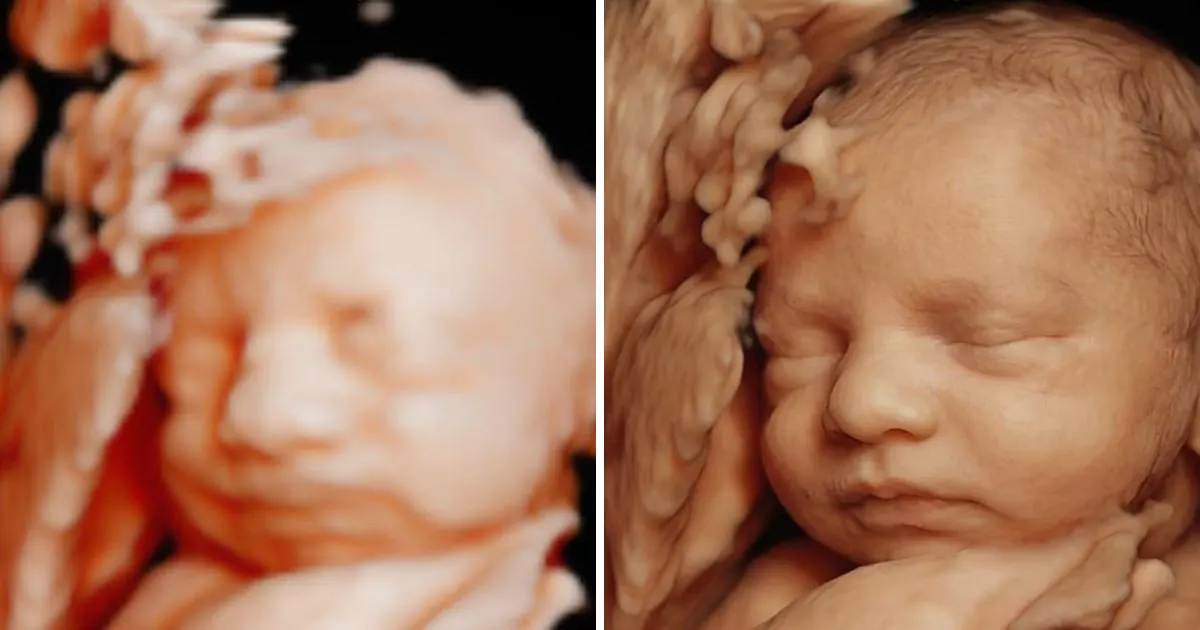
If you’re thinking about a 3D or 4D ultrasound, sooner or later you’ll wonder: is it safe for my baby? Online you’ll find every possible answer, from “completely harmless” to “dangerous.” In this article we sum up what the main medical sources say, without alarmism, and explain how to get the most out of the scans you have during pregnancy.
Short answer
Ultrasound is one of the safest tests in medicine: it uses no ionizing radiation, and there is no evidence that it harms the baby when performed by trained professionals. Still, as a precaution, health authorities recommend scans for a medical reason, for as long as needed and no longer. 3D and 4D ultrasounds follow the same rules as a standard scan.
How ultrasound works (and why caution is advised)
The machine sends high-frequency sound waves, too high to hear, that travel through the body and bounce back as echoes. The image is built from those echoes. There are no X-rays or any other ionizing radiation involved.
Sound does carry energy, though. Under certain conditions it can warm tissue very slightly or create tiny gas bubbles in fluids (cavitation). Modern machines have power limits and display safety indices on screen, and there is no evidence of harm at diagnostic levels. But because the long-term effects of long exposures haven’t been fully studied, the advice is to use only what’s needed.
What the FDA and medical societies say
- FDA (U.S. Food and Drug Administration): considers ultrasound safe when used appropriately, but discourages using it solely for non-medical purposes such as fetal “keepsake” videos. At the same time, it considers keepsake images or videos reasonable when they are produced during a medically indicated exam and no additional exposure is required.
- AIUM (American Institute of Ultrasound in Medicine), 2020 statement: says no causal link between diagnostic ultrasound and harm in humans has been established, recommends the ALARA principle and strongly discourages non-medical use of ultrasound just to view the fetus.
In short, the concern isn’t ultrasound itself but long, repeated sessions with no medical reason, outside a clinical setting.
The ALARA principle
ALARA stands for “as low as reasonably achievable.” In practice, the professional uses the lowest power and the shortest time that still give the image they need. That’s why a scan performed by a trained professional with a clear purpose is different from an open-ended session just to record videos.
What the guidance says, case by case
| Situation | What the guidance says |
|---|---|
| Scans ordered by your doctor | Have them whenever indicated: the benefits outweigh any theoretical risk |
| Baby pictures taken during a medical scan | Reasonable, according to the FDA, if no extra exposure is needed |
| Long keepsake-only sessions with no medical reason | Discouraged by the FDA and the AIUM |
| Home fetal Doppler monitors | Not recommended without a professional’s supervision (FDA) |
| Enhancing the picture from a scan you already had | No extra exposure: it only works with the image |
So, can I have a 3D ultrasound?
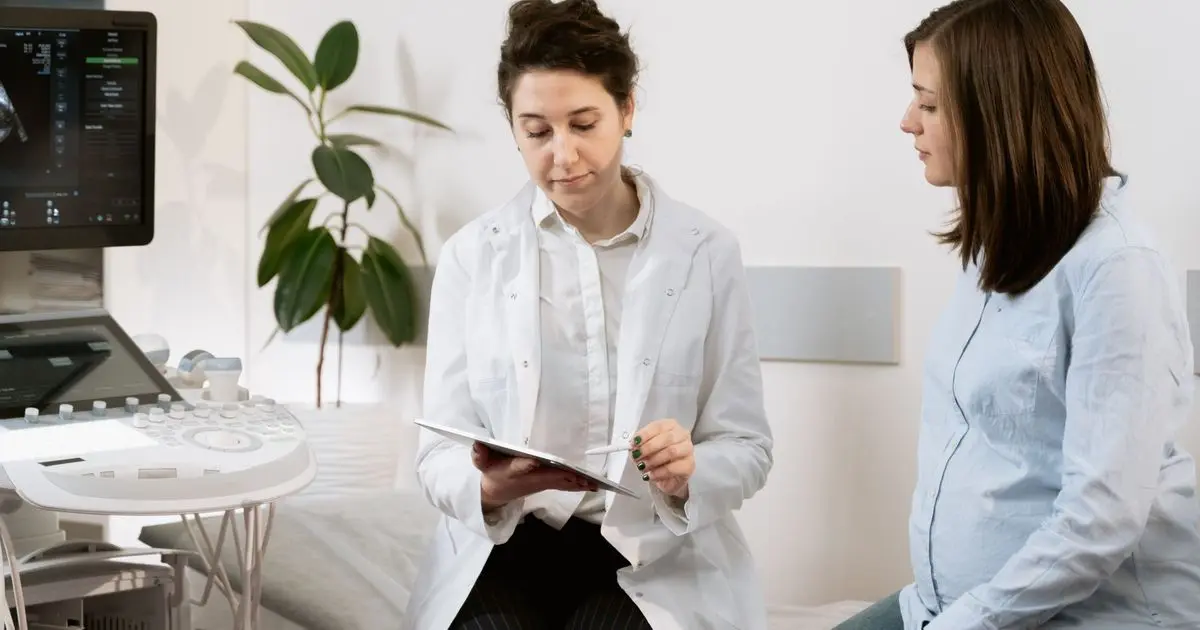
Talk to your OB or midwife. Many expectant parents have a 3D/4D scan with peace of mind, and medical societies acknowledge that seeing the baby matters to families. If you decide to have one, a few choices make it safer and more worthwhile:
For a 3D ultrasound with peace of mind
- Choose a practice with a doctor or sonographer trained in obstetric ultrasound
- Ask for 3D pictures during scans you are already having for medical reasons
- Avoid very long or repeated sessions just to get the perfect picture
- Go in the ideal window (weeks 26 to 30) so you don’t need to repeat it
- Ask for the image files, so you can make the most of them later
Curious about what a 3D scan really shows? Read 3D ultrasound vs real baby and what a 5D ultrasound is.
Make the most of the ultrasound you already have
Turn the picture from your scan into a hyperrealistic image of your baby’s face in about 30 seconds, with no extra exposure.
Enhance my ultrasound →Is enhancing the picture risky for the baby?
Not at all. Image enhancement happens on a computer, using a photo or file of a scan that has already been done. Your baby isn’t exposed to anything. It’s a way to get the most out of a scan you had for medical reasons, instead of repeating sessions just to get a better picture. We explain the process in how to see your baby’s face from an ultrasound with AI.
Sources
- FDA — Ultrasound Imaging
- AIUM — Prudent Use and Safety of Diagnostic Ultrasound in Pregnancy (2020)
- ISUOG — patient information leaflets